
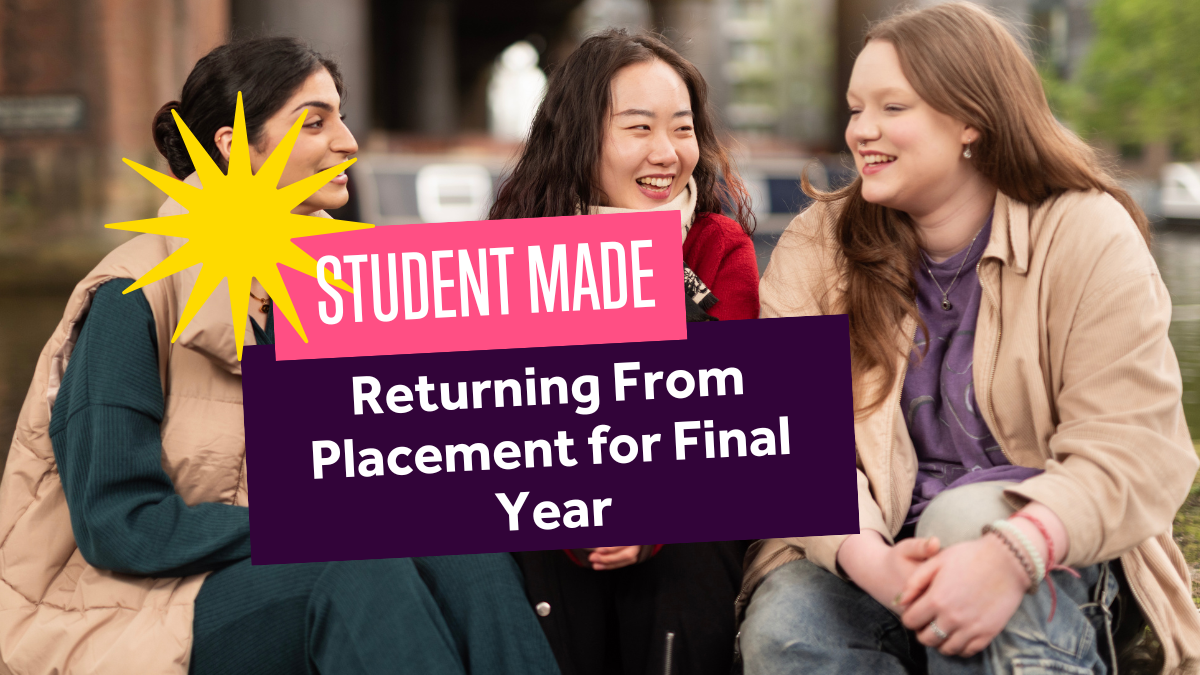
Coming back to university after a year on placement is a big adjustment. You go from working full-time, having a steady routine, and feeling settled in a professional environment to suddenly being thrown back into lectures, assessments, and student life. Even though I was excited to return, I definitely underestimated how long it would take to adjust to university life again.
Rebuilding My Routine
One of the biggest challenges was re-establishing a routine that felt balanced and productive. On placement, my days were structured for me; I knew when I was working and when I could switch off. Coming back to uni, everything becomes much more flexible, which is great, but also overwhelming.
To make the transition easier, I tried to be intentional about building habits early on:
Joining the gym again
Rejoining the gym helped give my days some structure and gave me a reason to leave the house (and my laptop). It was a space where I could switch off from uni pressures and reset.
Meeting up with other returning placement students
One of the best things I did was reconnect with friends who had also been away on placement. We were all going through the same adjustment: figuring out timetables, rebuilding our social lives, and remembering what uni deadlines feel like. At first, I was a bit nervous about who from my course would also be returning, as a lot of my close friends had already graduated. I was lucky that I recognised some familiar faces, and after I introduced myself, we immediately found common ground and shared our experiences. There will always be other students navigating the same situation, so it’s not something to worry about.
Rediscovering the city
If you moved away for placement, like I did, coming back to your uni city can feel almost unfamiliar. I made a point of planning some activities to settle back in. For me, this meant trying new brunch spots and revisiting the coffee shops I used to love. It helped me familiarise myself with Manchester again.
Planning ahead
The start of the final year is busy between starting new modules, reuniting with friends, societies restarting, and trying to get organised; it doesn’t leave a lot of breathing room. Planning ahead helped me a lot. Meal prepping in particular saved so much time in those first couple of weeks. Having easy meals already sorted meant one less thing to think about during a period that can feel slightly chaotic.
Adjusting Academically
Something that surprised me when I came back was how strange it felt to get used to uni work again. After a year away from academic writing, revision, and lectures, it’s easy to feel like you’ve forgotten everything. The more I settled in, the more I realised how much placement had actually prepared me.
A year in industry gives you skills you don’t always recognise immediately, such as communication, confidence, understanding how to manage projects, and in my case, lots of practice presenting and working with different stakeholders. These skills have already helped me so much in my final year. They’ve made group work easier, discussions less intimidating, and deadlines more manageable. Besides improving my employability for after graduation, my placement also boosted my academic confidence, which is something I didn’t expect.
Settling Back In
I won’t pretend the transition was instant, it definitely took a few weeks to feel fully settled again. At first, my days felt oddly unstructured compared to the pace of placement and it took time to adjust to academic life again. Once I found my routine after the initial few weeks, everything slowly started to click back into place. Building habits, reconnecting with people, and giving myself time to adjust made a huge difference.
If you’re considering a placement or coming back from one, it’s completely normal for things to feel unfamiliar at first. With a little time, you’ll integrate back into uni life.
—————————————————————————————————————————————
Third-year survival guide
Starting third year feels like stepping into a completely new phase of university life. You always hear people say it’s more demanding, more intense, and somehow faster than the years before but you don’t fully understand it until you’re in the middle of it. Now that I’m well into the year, I’ve gathered some insights and practical tips that have helped me stay organised, motivated, and balanced.
Routine Makes a Real Difference
It sounds simple, but having some kind of structure really helps. Final year comes with a lot of independent work, so setting rough working hours has helped me massively. Nothing too strict or unrealistic, I use it as a guide to stop me feeling like I’m either not doing enough or doing too much. Treating weekdays a bit like a work schedule, similar to my placement year, has kept me consistent and made the whole workload feel more manageable.
Work With Your Energy Levels
One of the biggest things I’ve learned is that forcing yourself to study when you’re exhausted never works and leads to burnout. Third year is demanding, so knowing when you work best can actually save you time. For me, mornings are when I’m most productive, so I tackle harder tasks then. It’s a small shift, but it’s completely changed my productivity.
Don’t Underestimate Small Habits
Small habits really do add up. Reviewing lecture notes the same week, doing readings in short bursts, or spending ten minutes organising your to-do list can make a huge difference. These steps have helped prevent deadlines from creeping up on me and kept my stress levels down.
Make Time for Things That Aren’t Work
Final year is intense, but it shouldn’t take over your entire life. Maintaining balance is essential for avoiding burnout. Whether it’s going to the gym, catching up with friends, or taking a quiet break at your favourite café, those moments of downtime help reset your mind. Some of my most productive weeks were the ones where I prioritised my wellbeing alongside my studies.
Stay Connected
Third year can feel isolating if you let it. I’ve found that group study sessions, regular check-ins with friends, and even casual chats with course mates can completely shift my mindset for the day. Surrounding yourself with people who understand the pressure makes everything feel more manageable and a lot less lonely.
Reward Yourself
Don’t wait until summer to enjoy yourself. Take regular breaks when you’re studying, celebrate small wins, and give yourself things to look forward to. I’ve found studying in new cafes around Manchester has helped with my motivation because it switches up the environment, and it makes the workload feel less draining when you have a sweet treat to look forward to.
Think About Employability Early
Graduate schemes and roles are advertised early in the first semester, so it’s worth keeping an eye out sooner rather than later. Spend some time exploring options in small bursts to help you have an idea for whatever comes next.
Be Kind to Yourself
Not every week will be productive. Not every assignment will go perfectly. And that’s completely fine. As a perfectionist, this can be hard to apply, but I’ve found consistency is what matters most. The more compassion you give yourself, the easier and more enjoyable the year becomes. Putting your mental and physical health first is the most important thing!