
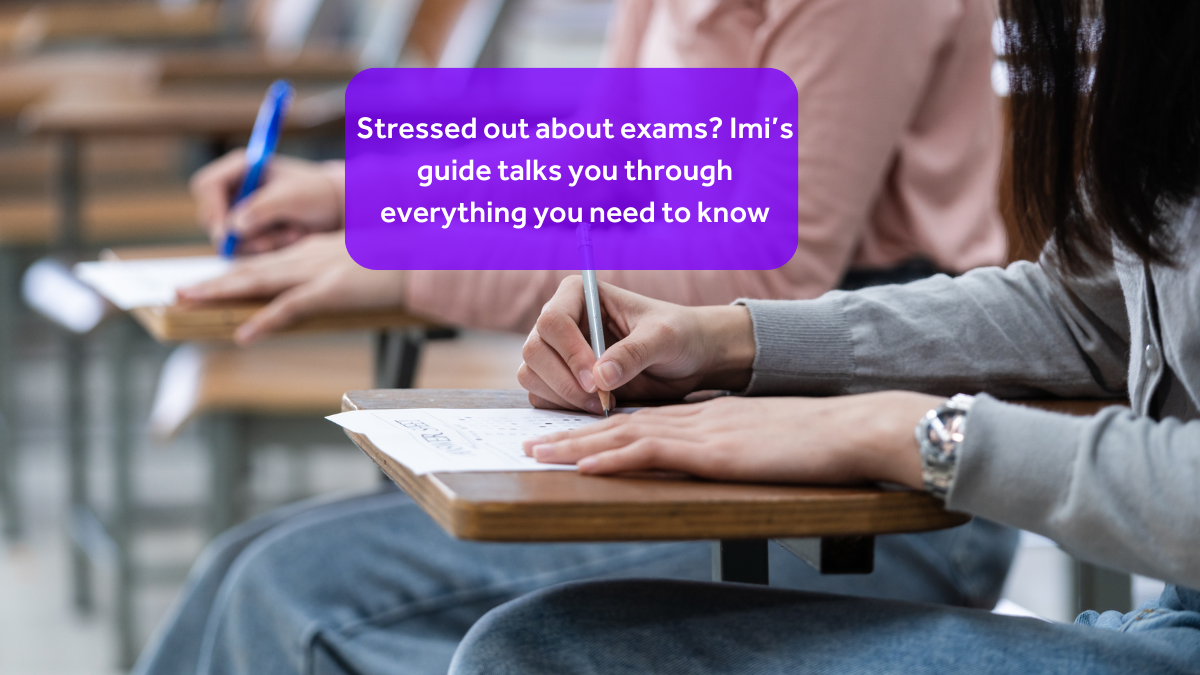
The last time I sat in an official exam hall, with invigilators pacing the rows, the scratch of pen on paper and a ticking clock looming overhead, I was completing my physics GCSE aged 16. Between the pandemic, spending time abroad and lots of coursework, the only exams I’ve done since have been from the comfort of my bedroom -until now.
This January, in my fourth and final year of university, I have my first in-person exam. Whether you’re in the same boat as me and are also feeling nervous and uncertain, or have sat more exams than you can count, preparation is key. Here are some general logistical tips for success this exam season.
Check your timings
As obvious as it sounds, it is so important that you know the correct date and time of your exam. One of my friends last year failed a module because she turned up to her exam in the afternoon, not realising it had taken place that morning. Don’t make that mistake! Rather than relying on what someone has said in a group chat or mentioned in a lecture, check your exam details for yourself by consulting the University’s full exam timetable.
Read it once, then again, then once more for luck and put the details into a calendar or as a reminder so you can’t possibly forget. If you’ve already noted down your exam timetable, take this post as your sign to go and double check the details again. Its also important to note that you are required to arrive at the exam at least 10 minutes before the designated start time, so ensure you factor that in. If you’re prone to being late, even note down the start time as half an hour earlier than actuality to ensure you arrive on time. This is especially important if relying on public transport.
Know where you’re going.
Similarly, ensure you prepare beforehand by going to visit the exam room in advance, checking you know where it is. Avoid starting an exam frazzled and out of breath after running around a building, or worse still, missing it completely as you can’t find the room, by doing the work in advance. This allows for a much smoother exam day with one less stress, and seeing the exam hall itself can also help to ease anxiety. If you’re likely to forget, take pictures or write down reminders about each part of the route, creating instructions for yourself to follow on the day.
Check out the campus map: campus map or any online maps to locate your building, then consult signage or reception inside to find the correct room.
Don’t forget the essentials.
Much like exams you may have sat at school, university regulations are strict about what you can and can’t bring into exams. Familiarise yourself with the guidance beforehand, which is linked at the end of this article, and note key points such as transparent pencil cases and water bottles. I would recommend reading this well in advance and packing your bag beforehand.
If you are required to bring any specific equipment into the exam, ensure you have also read the guidance on this beforehand. It is important to check within your department for any specific requirements or regulations, but general there is general guidance on the use of calculators in examinations , and guidance on the use of dictionaries in examinations on the regulations website.
Speaking of forgetting, if your exam is online, make sure you’re familiar with Canva. Find out more about support for assessments and examination’s in Canva.
You also need to provide your student card in all exams to prove your identity, to ensure you remember that too.
Fuel up.
Give yourself the best chance of success by caring for your mind and body as much as possible in the days and hours leading up to your exam. I know that getting enough sleep, eating right and minimising stress is much easier said than done whilst in the depths of deadlines and exams, but hours of revision will be worthless if exhaustion, panic, or brain fog takes over on the day.
You know yourself and your needs best, but generally I would suggest trying to prioritise a good night’s sleep before the exam, waking up a little earlier in the morning for a last-minute study session rather than cramming the night before and potentially oversleeping.
Food is also crucial on exam day for energy and brain function, with balanced, nutritious meals being ideal. Perhaps prep some overnight oats or a breakfast wrap the night before to reheat and save time in the morning. If this isn’t realistic for you, however, even grabbing a piece of fruit or a sausage roll somewhere on campus beforehand is better than an empty stomach. Drinking water during an exam has also been linked to better results, as hydration is key.
Don’t be afraid to reach out.
If the pressure of exam season is proving difficult to handle, don’t be afraid to reach out for support. Exam anxiety can feel debilitating, but you are not alone, and there are so many resources available to you. Speak to course-mates, friends and family about your feelings, or seek support from the University’s Mental Health Support team . There is also a variety of more urgent, crisis support available to you need it, see Help in a Crisis.
Finally, take a look at the University’s official guidance on the Exams website, which explains many of the policies and procedures mentioned in these tips in more detail.