
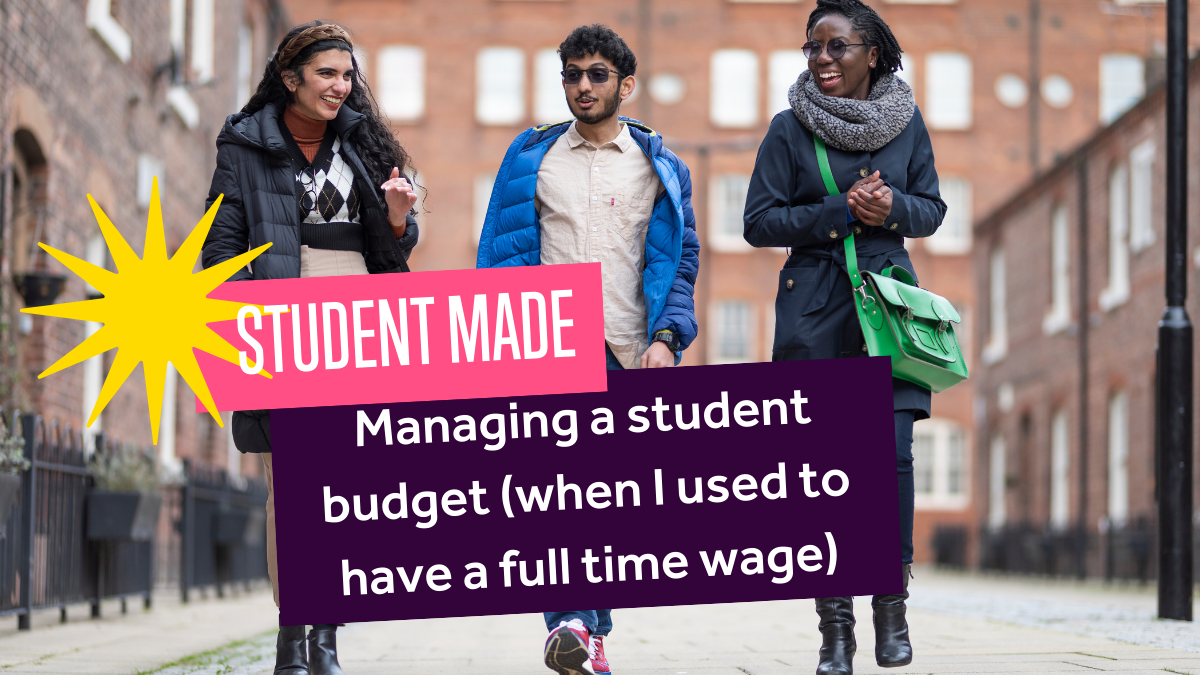
Whether you’re returning to studies after years in industry, taken a gap year to save, or just worked full time over summer – switching back to a tight student budget can be tough. Suddenly, the meal deal you’d buy for convenience, that evening Pilates class you’d pay for, or the Uber trip you’d take instead of the bus because it was only “a few quid more”, really start to add up.
Particularly if you’re returning after some time, you don’t want to feel like you’re having to make huge cutbacks. That was the case for me, anyway. So, here are my tips on adapting from a full-time wage to full-time student life, whilst still enjoying the things I used to
Consider putting any savings in high interest accounts
Firstly, any savings you’ve built up from – consider putting them into a high interest account*. Banks like Monzo make this easy, with a variety of Easy Access ISAs/ Flexible Savings Pots which can earn around 4 per cent interest (variable). Whilst it won’t make you the next Deborah Meaden, an extra £10 a month from interest can be a couple of happy hour drinks in Northern Quarter, (or more if you stick to the student bars!) Feels free, guilt free.
On the same note of drinks, switch your spritz
Call me basic, but I love an Aperol Spritz (or a Hugo, if I’m feeling continental). Unfortunately, Manchester prices do not equate to that of its European counterparts, where visiting a bar that charges more than €8 feels like daylight robbery. But here’s a tip: A white wine spritz achieves the same refreshing, summery taste at sometimes half the price. The same goes for cocktails – there’s often a simple mixer alternative that tastes just as good. Swapping a mojito for a rum, lime and soda saves £4/5 (who wants to drink mint, anyway?). Your bank account will thank you in the morning.
Fitness for free
There are so many great studios in Manchester, and when I was working, I would gladly pay for classes as I enjoyed them. But on a strict budget, I’ve switched to home workouts and free fitness trials. There are so many YouTubers who post regular workout videos for all levels to follow along with. If you haven’t already, get yourself a cheap yoga mat from Amazon – it doesn’t have to be boujee! Many gyms offer free day passes, and apps like ClassPass offer free trials, or discounted sessions. Also check out UoM Sport for deals on Uni gyms and free sessions with Sporticipate.
Make use of campus facilities
During my final year of undergrad, I discovered campus hot water taps. As someone who uses tea as the answer to just about any emotion, these have been a life saver. You can even store a milk in the cosy campus fridges and make a coffee too. Pick up a reusable Bee cup, and this will save you so much money across the week. With what you save, treat yourself to a proper coffee shop visit at the weekend or with friends.
Celebrate the little wins, and be mindful about saving and spending
I’m not really one for “goal setting” or having a savings target as a student. It’s short-term, and if you fall short, you’ll just feel worse. Instead, track what you do save. Writing it down and properly acknowledging it gives you that small hit of motivation.
I used the Notes app to log each time I wanted the bus but walked instead (£2 saved). Every time I resisted a coffee and made one at home (£3 saved). When I saw clothes I liked but didn’t need. Rather than feeling sad about the things you don’t buy, you get to the end of the month and see what you’ve saved. That money can go towards something you actually want – rather than just vanishing across the month.
Overall, I think it’s all about being mindful with your spending. Not feeling miserable and cutting everything out, but making little swaps that add up. With that, you can then treat yourself from time to time. Remember, its likely only short term, and working hard now will pay off later.
*always full research new banks/ bank accounts and consult the T’s and C’s before signing up